materials-glass-top-mil-tek

Glass recycling and glass waste

Glass is one of the most recyclable materials used in packaging. Bottles and other suitable container glass can be collected, processed and recycled into new glass products, reducing the need for virgin raw materials. For businesses that generate large quantities of glass waste, separating and preparing glass correctly can make storage, handling and recycling considerably more efficient.

Glass as a recyclable material

Glass is made primarily from silica sand, soda ash and limestone, which are melted at high temperatures to create a durable and non-reactive material.

It is widely used in packaging, particularly for food and beverage bottles and containers.

One of the key advantages of glass is its recyclability. Suitable waste glass can be collected, processed and used as a raw material in the production of new glass products.

Glass Crusher Steps

Can glass be recycled indefinitely?

Yes. Glass can be recycled repeatedly without losing its fundamental material properties, making it particularly suitable for a circular recycling process.

Once collected and properly sorted, waste glass can be cleaned and processed into glass cullet. This recycled glass can then be used as a raw material in the production of new glass products, reducing the need for virgin raw materials.

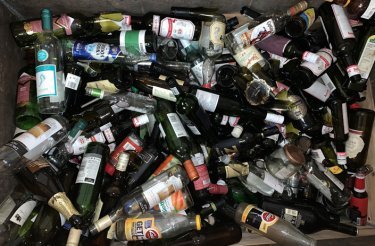
glass-bottles

How is glass recycled?

Glass recycling begins by separating suitable glass from other waste materials. After collection, the glass is sorted and cleaned to remove contaminants before being processed into smaller pieces known as cullet.

The cullet can then be used as a raw material in the production of new glass products, reducing the need for virgin materials. Because glass retains its material properties through the recycling process, it can be recycled repeatedly when it is properly sorted and processed.

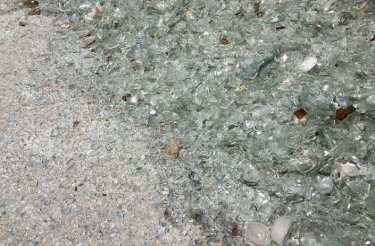
glass-cullet

Why should glass be recycled?

Energy efficiency
Using recycled glass, or cullet, in glass production requires less energy than manufacturing glass entirely from virgin raw materials. Recycling glass can therefore help reduce the energy required in the manufacturing process and lower the associated environmental impact.

Conservation of raw materials
Recycling glass reduces the demand for virgin raw materials such as silica sand, soda ash and limestone. Instead, recovered glass can be processed into cullet and returned to the production cycle as a valuable secondary raw material.

Waste reduction
Glass does not biodegrade, which makes proper waste management particularly important. Separating glass for recycling helps divert recyclable material from general waste streams and reduces the amount of waste requiring disposal.

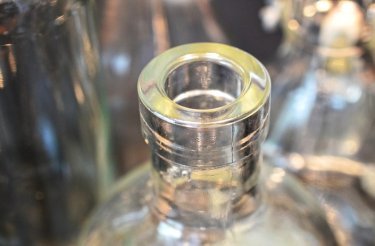
glass-bottle

Glass recycling in the UAE

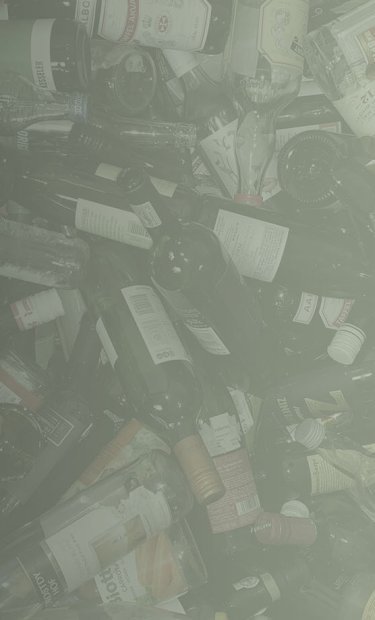
Glass bottles are widely used across the UAE, particularly by hotels, restaurants, cafés and the food and beverage industry. Separating this glass from general waste allows the material to be collected and processed for recycling rather than disposed of as mixed waste.

Once collected, suitable waste glass can be sorted, cleaned and processed into glass cullet for use as a secondary raw material. For businesses generating large quantities of bottles, establishing a dedicated glass waste stream can improve waste separation while supporting more efficient recycling and resource recovery.

Businesses that need to reduce the volume of bottles before collection can also use a glass crusher to turn empty bottles into compact glass cullet for easier storage and handling.

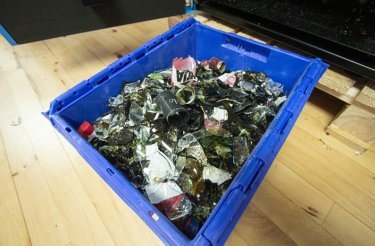
crushed-glass-waste

Reduce the volume of your glass waste

If your business generates large quantities of glass bottles, crushing them at the point of disposal can reduce the space required for storage and make glass waste easier to handle before collection.

Explore our glass crushers, og contact us using the form is you have questions.